
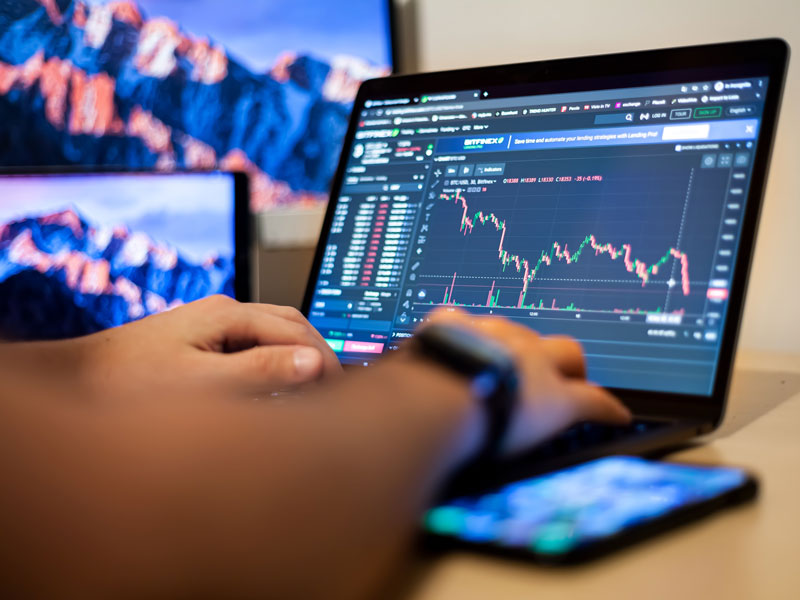
In today’s fast-paced financial markets, forex software trading Trading Uganda has become an essential resource for traders looking to enhance their skills and knowledge about Forex trading. The foreign exchange market, known as Forex, is the largest and most liquid market in the world, where currencies are bought and sold continuously. As the market evolves, so does the technology that supports it, and Forex software trading has played a pivotal role in this progression.
Understanding Forex Software Trading
Forex software trading refers to the use of computerized systems and automated trading platforms to facilitate the buying and selling of currency pairs in the Forex market. These platforms offer various tools that allow traders to analyze market trends, execute trades automatically, and manage their investment portfolios efficiently.
The Importance of Forex Trading Software
The significance of Forex software trading cannot be overstated. Here are several reasons why traders must leverage advanced technology to enhance their trading experience:
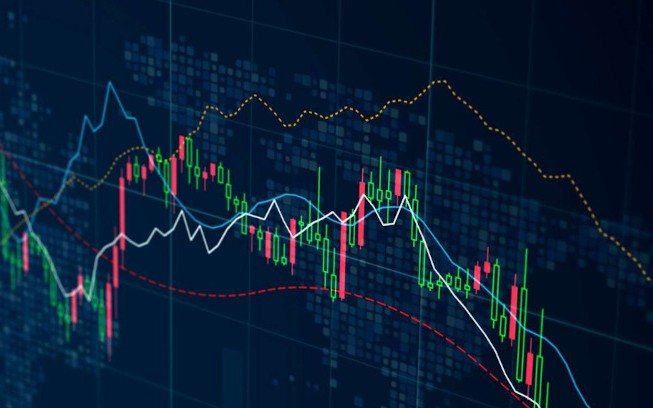
- Automation: Forex trading software can automate trade execution, reducing the emotional and psychological stress that manual trading can cause. Automation also helps traders to take advantage of trading opportunities 24/7, even when they are not actively monitoring the market.
- Data Analysis: With advanced analytical tools, traders can make data-driven decisions. Forex trading software provides real-time market data, historical price charts, and various indicators that help traders identify trends and potential entry or exit points.
- Risk Management: Effective risk management is crucial in trading. Software platforms often come with built-in features that allow traders to set stop-loss and take-profit orders, helping them to minimize potential losses.
- User-Friendly Interfaces: Modern Forex trading software is designed with user experience in mind. Intuitive interfaces and customizable dashboards allow traders of all levels to navigate easily and access key metrics quickly.
Types of Forex Trading Software
There are several types of Forex trading software available in the market, each catering to different needs and trading styles:
- Trading Platforms: These are the core software used for actual trading in the Forex market. Popular platforms include MetaTrader 4 (MT4), MetaTrader 5 (MT5), and cTrader. These platforms offer a wide array of features such as scripting languages, technical analysis tools, and mobile applications.
- Automated Trading Systems: Also known as Expert Advisors (EAs), these systems use algorithms to execute trades based on predefined criteria. They allow for precise trading execution without the need for human intervention.
- Charting Software: Charting solutions help traders visualize market movements through various types of charts and indicators. These tools are essential for technical analysts who rely on patterns and trends to make trading decisions.
- Signal Providers: Many traders rely on signal services that provide buy/sell recommendations based on technical analysis and market research. These signals can be integrated with trading platforms to facilitate quicker trade execution.
- Risk Management Software: This type of software focuses on helping traders manage their portfolios by analyzing risk exposure and suggesting adjustments to maximize potential returns while minimizing losses.
Choosing the Right Forex Trading Software
Selecting the right Forex trading software is paramount to achieving success in the Forex market. Here are a few factors to consider when choosing the appropriate software:

- Reputation: Research the software’s credibility by reading user reviews and testimonials. A software’s track record can offer insights into its reliability and effectiveness.
- Features: Evaluate the features that the software offers against your trading goals. Ensure it has all the necessary tools you might need for effective trading.
- Cost: While some platforms are free, others require a subscription or trading fee. Make sure the cost aligns with the value provided by the software.
- Customer Support: Adequate customer support is essential, especially if you encounter technical issues or require assistance with trading strategies.
Future Trends in Forex Trading Software
As technology continues to advance, so too does the landscape of Forex trading. Future trends may include:
- Artificial Intelligence: The incorporation of AI in Forex trading will likely lead to more sophisticated trading systems that can learn and adapt based on market conditions.
- Blockchain Technology: Innovations in blockchain may offer enhanced security and transparency in Forex transactions, reducing the risk of fraud.
- Mobile Trading Solutions: With the proliferation of smartphones, mobile trading applications will continue to become more powerful, allowing traders to manage their portfolios from anywhere in the world.
Final Thoughts
In conclusion, Forex software trading offers traders invaluable tools and resources to navigate the complexities of the Forex market. By embracing technology, traders can enhance their decision-making process, safeguard their investments, and ultimately increase their chances of success. Whether you are a novice trader or an experienced professional, staying updated with the latest software developments can provide a competitive edge in this dynamic market. As you embark on your trading journey, consider exploring the diverse array of software options available and choose the ones that best align with your trading strategies and goals.